


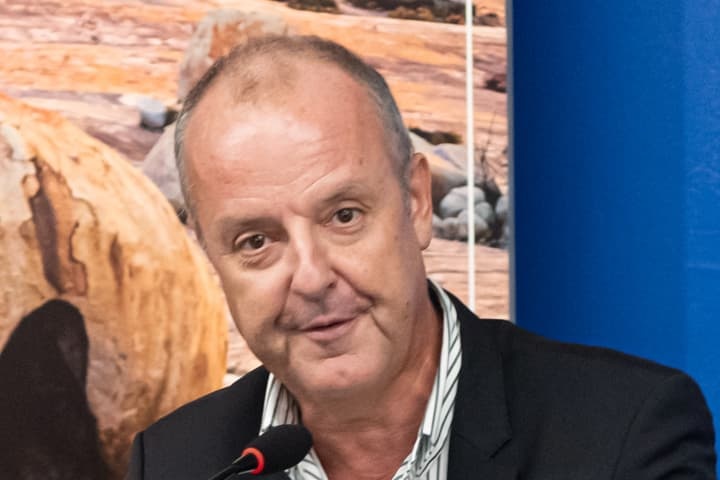
Prof. Rui Cunha Marques, Director of RPG, has once again been recognised among the world’s top 2% most influential scientists in the 2026 edition of the Stanford–Elsevier ranking, featuring in both the single-year scientific impact and career-long research impact categories.
The ranking, developed by researchers at Stanford University using bibliometric data from Elsevier’s Scopus database, assesses the scientific influence of researchers worldwide. In the field of Environmental Engineering, Prof. Marques ranks 141st among 68,664 researchers worldwide for single-year scientific impact, placing him among the top 0.2% in this category.
This distinction reflects an extensive and multidisciplinary research career encompassing economics, engineering, regulation, public policy, and governance, with particular emphasis on water and sanitation services, public-private partnerships (PPPs), and the management and regulation of public utilities.
Throughout his academic and professional career, Prof. Marques has contributed to advancing knowledge and developing practical approaches to key challenges affecting public service provision. His work brings together scientific research and applied expertise, supporting evidence-based policymaking, effective regulatory frameworks, institutional performance, and the sustainable management of essential public services.
His inclusion in both the annual and career-long impact rankings highlights the sustained international relevance of his scientific contributions and the importance of connecting academic research with practical applications that respond to real-world challenges.
At RPG, this recognition is particularly meaningful, reflecting the company’s commitment to integrating scientific excellence, technical expertise, and practical solutions in the water, sanitation, and public utilities sectors. It also reinforces the value of multidisciplinary collaboration in supporting sustainable, efficient, and equitable public services.
RPG congratulates Prof. Rui Cunha Marques on this renewed recognition and acknowledges the contributions of the many colleagues, researchers, students, and institutions who have collaborated with him throughout his scientific and professional career.